

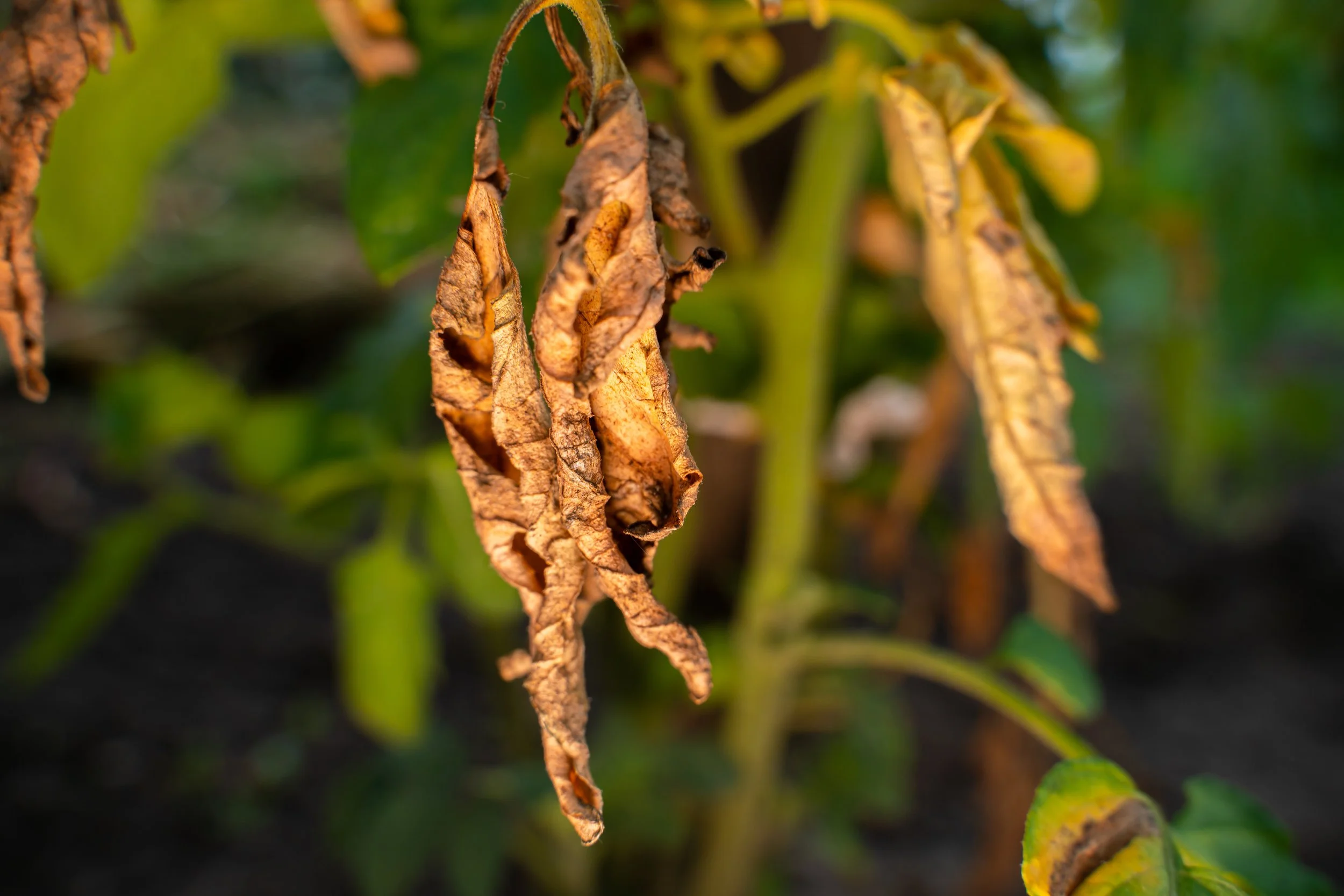
What late resistance costs.
The compound is the smallest thing you lose.

The program. A new crop protection active now takes an average of $307 million and 11.4 years to bring from discovery through registration [1] — with registration alone averaging about $35 million per active ingredient, roughly 12% of the R&D budget [1]. Resistance discovered in the field is a write-off against that whole figure, not against the synthesis cost.
The clock starts sooner than you think. QoI fungicides were introduced in 1996; strobilurin-resistant wheat powdery mildew was identified in Germany in 1998 — two years later [2]. The pattern repeats across classes: benzimidazole resistance appeared in some pathogens after two years of use, and in one pathogen QoI resistance emerged after a single year [3]. A product with an eleven-year development cycle and a two-year resistance horizon is not the asset the business case assumed
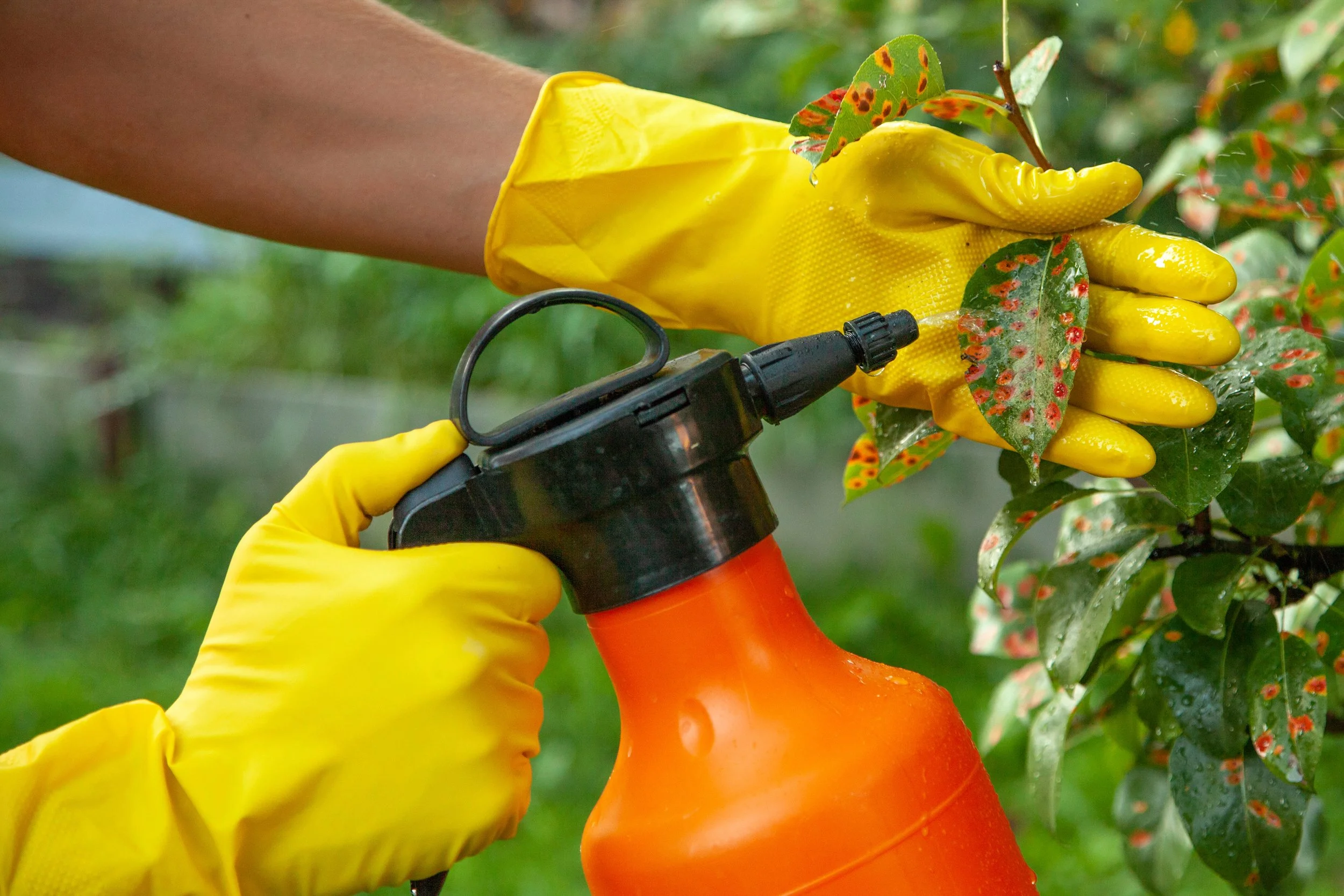
You lose the class, not the molecule. Cross-resistance generally applies across all fungicides sharing a mode of action [3]. One target-site substitution can therefore compromise everything in your portfolio built on that MoA, including compounds still in development. Azole resistance is now reported in 30 plant pathogens across more than 60 countries, and Botrytis cinerea alone has developed resistance to 15 different fungicide classes — with single isolates resistant to seven modes of action [3].

There is no replacement waiting. Between 1952 and 1984, a herbicide with a new mode of action arrived roughly every other year. Since 1984, the industry has introduced one [4]. The last significant new herbicide MoA — HPPD — dates to the 1980s [5]. Meanwhile weeds have evolved resistance to 21 of the 31 known herbicide sites of action [6]. The toolbox is closing faster than it is being refilled
The cost lands on the grower, then comes back to you. Herbicide-resistant black-grass costs the UK economy an estimated £400 million a year, with 820,000 tonnes of wheat lost annually — around 5% of UK domestic consumption. Under full resistance spread, modelling puts that at £1 billion a year and 3.4 million tonnes [7]. In Canada, herbicide resistance is estimated to cost producers $1.1–1.5 billion annually through increased herbicide use and reduced yield and quality [8].
None of this is unpredictable.There are currently 548 documented unique cases of herbicide resistance worldwide, across 275 weed species and 168 herbicides [6]. Benzimidazole resistance has been recorded in close to 100 plant pathogen species over fifty years of use; QoI resistance in nearly 50 [3].
These are catalogued, public, and mechanistically characterised — in many cases the specific substitution is known years before a new compound reaches a field trial. The information exists. It is simply not consulted at the point where it would still change which molecule you advance.
Up to 40% of global crop production is lost to pests and diseases each year, at an economic cost above $220 billion [9]. Resistance is not the whole of that number. But it is the part you can compute in advance.
References
AgbioInvestor for CropLife International. Time and Cost of New Agrochemical Product Discovery, Development and Registration, 2026.
Rapid in situ quantification of the strobilurin resistance mutation G143A in the wheat pathogen Blumeria graminis f. sp. tritici. Scientific Reports, 2021.
Corkley I., Mitchell J., Hawkins N.J. Fungicide resistance management: maximizing the effective life of plant protection products. Plant Pathology, 2022.
Bourke I. Following several fallow decades, herbicide companies are searching for new modes of action. Chemical & Engineering News 100(22), 2022.
Duke S.O., Dayan F.E., on new herbicide modes of action; cited in Weed Science, 2024.
Heap I. The International Survey of Herbicide Resistant Weeds. weedscience.org.
Varah A. et al. National-scale costs of herbicide resistance in black-grass. Nature Sustainability, 2020.
Beckie H.J. State of weed resistance in Western Canada, via CropLife Canada, Economics of Herbicide Resistance.
FAO. Scientific review of the impact of climate change on plant pests, 2021.